
Formic Acid
Formic acid is the simplest carboxylic acid. It has a pungent and penetrating odor at room temperature. It is also miscible with water and most polar organic solvents but immiscible in non-polar solvents. Formic acid can be found in the venom of bees and ants. It can undergo a series of organic reactions to form other relevant organic compounds, such as with alcohol to form esters, reduction to form aldehydes, decomposition to form carbon dioxide and water, and reaction with sulfuric acid to yield carbon monoxide. Tradeasia International is ready to be your formic acid supplier. We have spent over two decades as a chemical distributor company. Always thrive to deliver a seamless supply chain experience and the best service to our customers.
Specifications
| IUPAC Name | Formic Acid |
|---|---|
| CAS Number | 64-18-6 |
| HS Code | 2915.11.00 |
| Formula | HCOOH |
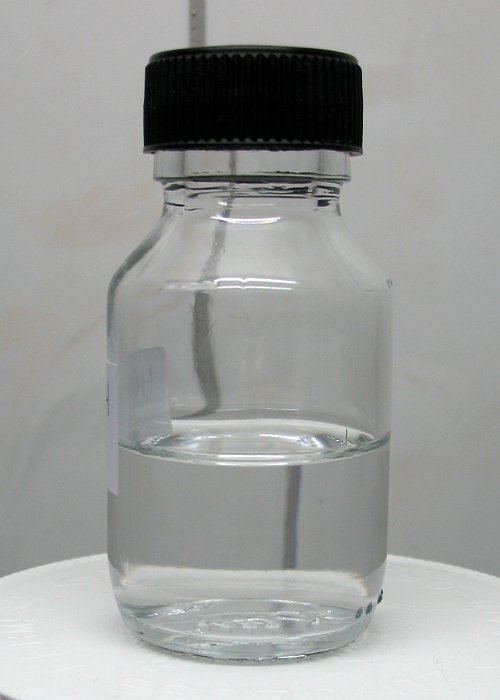
| Appearance | Clear, Colorless Liquid |
| Common Names | Methanoic Acid, Formylic Acid, Hydrogen Carboxylic Acid, Aminic Acid |
| Packaging | 35 Kg HDPE Square Drum |
Applications
Agriculture Industry
Formic acid is also used as a preservative and antibacterial agent in livestock feed.
In Europe, it is applied to silage to promote the fermentation of lactic acid and to
suppress the formation of butyric acid. It also allows fermentation to occur quickly,
and at a lower temperature, reducing the loss of nutritional value. Formic acid arrests
certain decay processes and causes the feed to retain its nutritive value longer, and so
it is widely used to preserve winter feed for cattle.
Textile & Dyeing Industry
Formic acid is used in dyeing and dye-fixing, setting, and retaining colors in fibers.
Due to its acidic nature, it is also used as a neutralizing agent and pH adjuster in
textile processing and finishing of textile, as effective and accurate pH control is
required throughout the whole process of dyeing, processing, and finishing.
Other Applications
Formic acid has a wide range of uses. It is used as a miticide to kill the tracheal mite.
It is employed instead of mineral acids in some cleaning products, such as limescale
remover and toilet cleaners. Its esters are used in the making of perfumes. Formic acid
is also utilized in fuel cells, although this application is still under study. It serves
as a coagulant in rubber production and is used in leather tanning and production.
Additionally, it is added to animal fodder in the poultry industry to kill E. coli.
Partnering with a reliable Formic Acid Distributor is crucial to ensure the consistent
supply and high quality of formic acid needed for these diverse applications.